How to Keep Your Dog Happy After Neutering: A Guide to Comfort and Emotional Care
Learn how to keep your dog happy after neutering with emotional support, gentle activities, comfort tips, and positive routines to ensure a stress-free recovery.
Neutering is a run of the mill practice that may confuse, disturb or even bring to the fore sensitive feelings to dogs. Being a pet owner, you would contribute significantly to making them calm and safe. Knowing the way to make your dog happy after neutering is a failover to a quick heal. Comfort, routine, and mild activities are a combination of elements that assist them in reducing stress in the healing process.
Postoperative dogs can be altered regarding behavior, appetite, or temper. These changes are very natural and quite short-lived. With patience and good care, your dog will return to confidence and emotional stability. This guide on Dog Neutering explains the most appropriate methods for sustaining your dog’s mood and ensuring a positive environment during recovery.
That Dog After Neutering
Neutering may lead to the development of mild stress due to the tendency of dogs to respond to body changes. They may feel lost or uncomfortable during the surgery and anesthesia. The first few days may have your dog quieter, possessive, or confused. It is significant that these feelings are identified to give appropriate comfort. This emotional shift is often part of a physiological adjustment as the body adapts to hormonal changes.
Mood and behavior may also be temporary effects of changes in hormones following the procedure. The affection of some dogs increases and others like solitude. These are normal reactions which tend to disappear as the healing continues. It is important to note the emotional cues of your dog to help them and be supportive of them.
The Development of a Safe
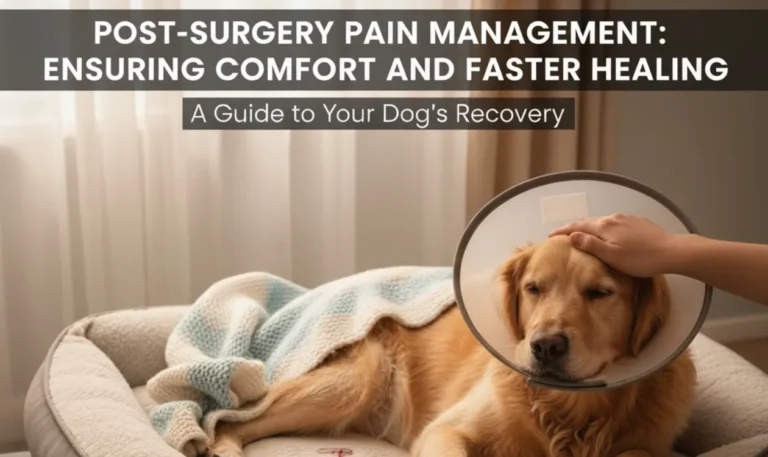
Having a quiet place of rest in your dog will make him feel safe and secure following surgery. Select a comfortable bed that is not located next to noise, children or other pets. This serene environment will provide them with the comfort they require in the healing process. Stress relieving is required to have quicker emotional and physical healing.
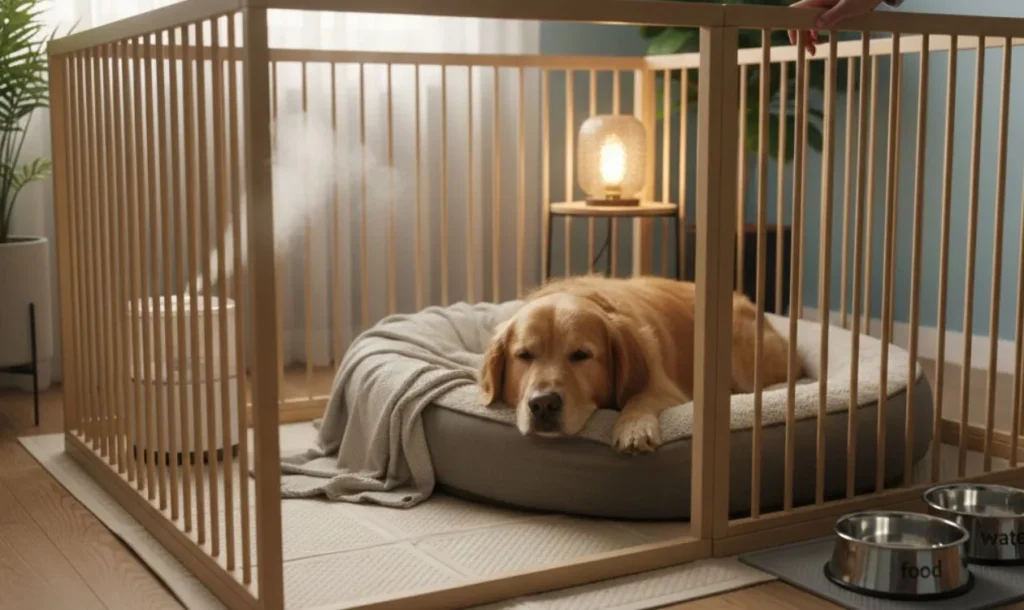
Ensure that the area of recovery is warm, comfortable, and accessible. When your dog is not old, do not allow it to climb stairs or jump on furniture. It is good to keep your dog enclosed but not restricted to the point of discomfort, ensuring safety. Neutering your dog should not become a great ordeal, and creating a tranquil environment is one of the best ways to keep your dog happy.
Having regular Schedules
Dogs are creatures of routine and surgeries may temporarily break the routine of a dog. Having regular feeding, resting and potty routines can be used to bring normalcy back. Habitual activities provide a dog with a feeling of order and security. Anxiety is reduced in recovery through predictability.
Although the level of activity should be decreased, the flow of the day ought to be constant. Retain similar duration of walks, which are not abrupt changes in habits. Light consistency will help your dog to understand that there is still normalcy in life. This equilibrium helps the healing process to be emotionally stable.
Light Affection and Quality
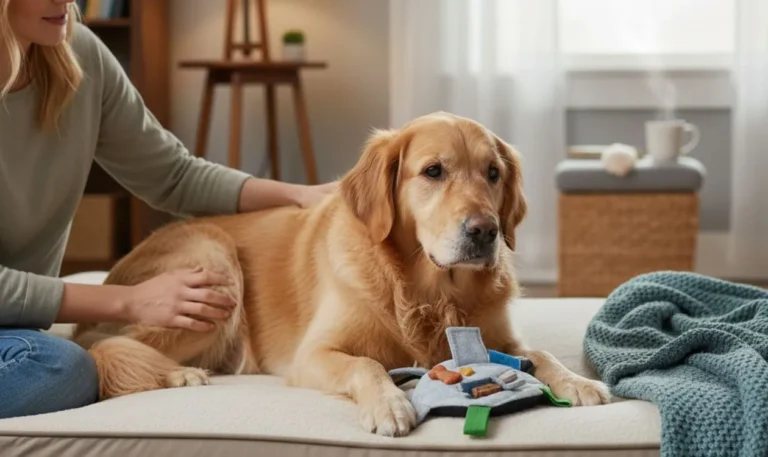
After neutering your dog, he or she might need some extra affection and this can be achieved by cuddling him or her. Take time to rub them the wrong way or talk in a low tone. This bond serves as a relief and an enhancement of trust in the recovery. They can only feel safe and loved when you are around.
Nevertheless, there are dogs which like personal space during the first day. Taking into consideration their level of comfort makes them feel empathized and safe. Give love when they take interest but do not coerce to communicate. Even bonding time makes your dog emotionally happy after the procedure.
Preventing boredom with Interactive Toys
Due to the necessity of limiting physical activity, mental stimulation is necessary. Toys that are interactive, such as puzzle feeders or soft chew toys, keep your dog entertained. These activities eliminate boredom and support emotional wellbeing. This cognitive exercise is helpful in alleviating stress and creating calmness.
Do not use too active toys that promote jumping or running. Rather, settle on an option that is mentally demanding and does not put a strain on the incision site. Toys that feed slowly are effective, games that have sense, and puzzle treats. This is a relaxing game that is able to keep the mood on the positive side during recovery.
Making sure that there is Comfort
Physical comfort in healing is also needed to attain emotional happiness. Neutering can be associated with mild soreness in dogs hence pain medication is usually prescribed. The dog should be kept at ease, so it is advisable to follow the directions of the vet. A dog without any pain takes more time to feel secure and relaxed.
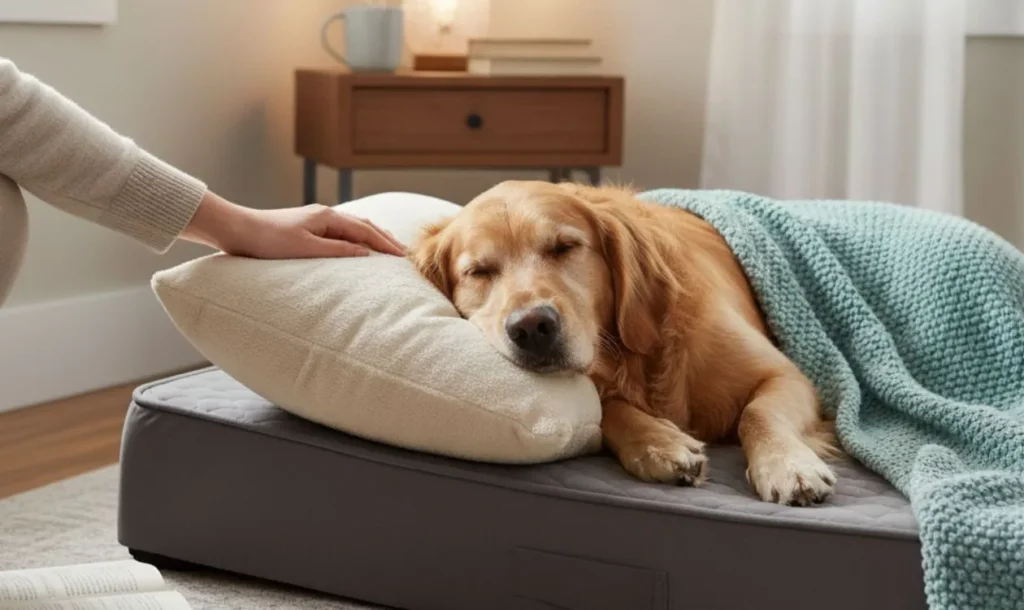
Human painkillers should not be administered to pets since they are hazardous. Keep an eye on your dog to see whether he is uncomfortable, such as whining, restlessness, or unwillingness to move. Effective pain management will prevent mood variation caused by discomfort. One important reason to maintain your dog’s emotional balance is overall comfort, which supports homeostasis during recovery.
Mood boosting Supervised Walks
Even though you should exercise, but there should be short walks under supervision, which motivates your dog. A change of environment and fresh air will reduce restlessness. Also walk slowly, do not run or jump. It aims at stimulating them softly and not overstraining their incision.
These short trips are used to keep the routine and avoid depression through boredom. Bonding and emotional reassurance are also possible. Always have a leash to make the movement under control and not to interact with the lively dogs. Walking with your dog safely and in strict regulated sessions will ensure she remains happy in the process of recovery.
Encouragement and Positive Reinforcement
Rewards like the provision of treats and praise to your dog makes him feel like he is appreciated. Positive reinforcement promotes emotional confidence in the recovery. Praise minor achievements like having good meal or having a comfortable rest. Positive reinforcement achieves this by making them equate healing to positive experiences.
You should never scold or punish your dog because he or she is already sensitive. Light support makes them maintain a stable mood and stress-free. Indulgent treatment and tolerant direction are a great thing. Physical care is no more important than emotional reassurance.
FAQs: Your Dog Happy After Neutering
Final Thoughts
It is important to have a balance between comfort, emotional support and gentle structure in order to keep your dog happy after neutering. You get to know how they feel and make them feel safe by providing a relaxed environment. Minor things such as bonding time, soft toys, and routine make the recovery less difficult. The influence on the emotional wellbeing of your presence is the greatest.
All dogs are different and love and patience are easy to restore the confidence. Do not rush them too much but create a transfer of a calm routine of recovery. By exercising considerations and positive reinforcement, your dog gets back to his jovial character. Through the support of their body and their emotions, it is possible to make the healing process smooth without any stress.