When Can My Dog Walk After Neutering
Learn when it’s safe to walk your Dog Walk After Neutering. Discover recovery timelines, safe walking tips, and exercise guidelines for a smooth healing process.
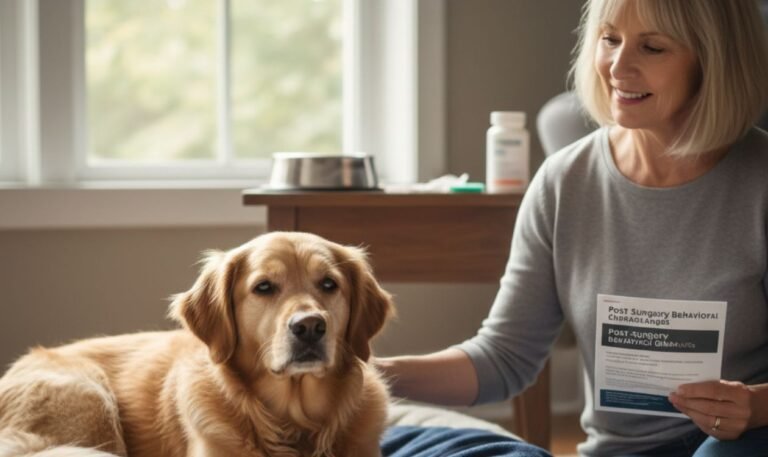
The body of your dog also needs a period of healing after neutering particularly the part where the incision was made. Early walking may put pressure on the stitches and delay the curing. The waiting period before proceeding with light movement usually takes 24 to 48 hours according to the advice of the veterinarians. At this early stage, sleep and minimal movement are needed so that the wound may heal.
Keep watch of your dog, and get him not to overwork himself. Even temporary burst of energy will lead to swelling or reopening of the incision. Calming your dog down is one way of ensuring that the healing process is on schedule. The objective of these initial days is to be comfortable and yet to move in a controlled manner.
The First Few days Post-Surgery
During the initial days after the surgery, your dog is supposed to spend most of his time at home. It should not be taken on long walks or any sporting activity that involves jumping or running. Brief walks to the bathroom on a short leash are acceptable and help prevent stiffness and maintain continuous circulation. Also, keep your dog leashed at all times to restrict unnecessary movement. This careful approach supports a convalescent recovery phase.
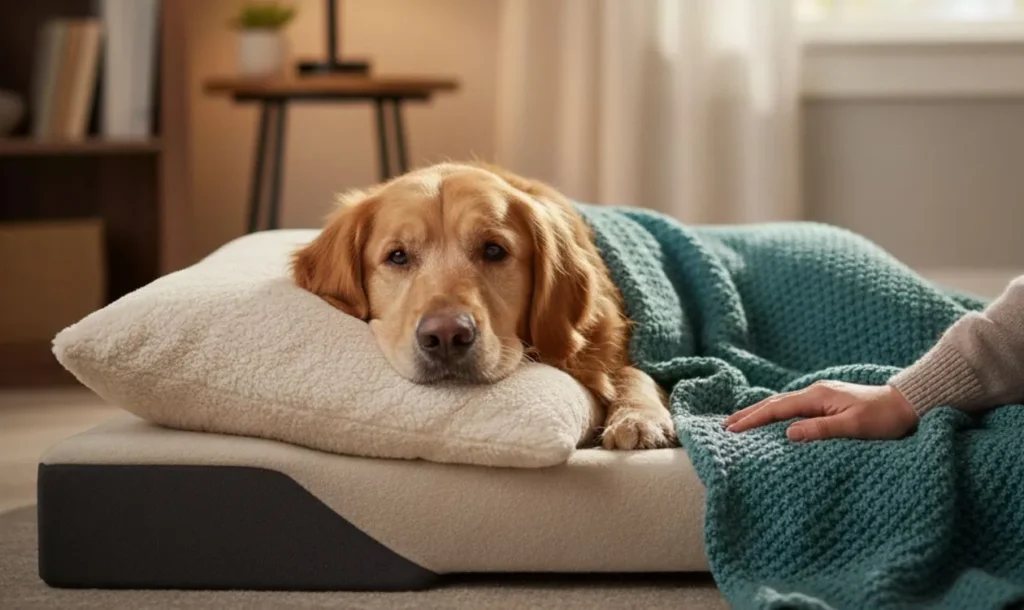
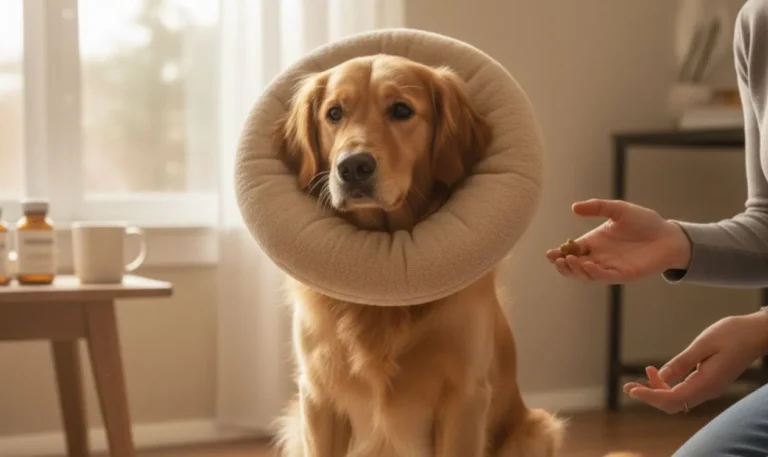
When you see that your dog is restless, entertain it using quiet indoor games such as petting it or using puzzle toys. Do not overexcite them, because they can overstrain their incision by a sudden motion. The introduction of walking slowly is aimed at avoiding painful experiences and promoting risk-free recovery. The major aspect here is patience during the healing process.
Light Walks Since the First Recovery Phase
As soon as your vet says the first healing is complete, you may start walking again–typically on day three or four. These walks should be brief, not more than five or ten minutes, and easy walks. Grassy grounds or soft grounds are the best as they help in minimizing the strain on the body of your dog. Keep a close watch over the behavior of your pet every time that it goes out.
When your dog starts to show signs of tiredness, immediately sit down or head home. Each dog heals differently, so always use their comfort level as your guide. Light exercise will aid blood circulation, prevent stiffness, and improve mood after a few days of rest. The key to gradual improvement is consistency without overstrain, helping maintain a therapeutic pace during recovery.
Identification of Signs of Overexertion
Your dog might appear to be keen on resuming movement though excessive movement might cause swelling of stitches or re-opening. Be careful of such warning signs as limping, heavy breathing, or bleeding in the area of the incision. In case of any of this, then cease walking and contact your vet. The healing time is not a competition, it is time-consuming.
Excessive work can also be exhibited through the behavioral changes such as restlessness or whining. These symptoms are usually evidence of pain or soreness. The duration and intensity of walks can be reduced to deal with these symptoms. Healing should always come first before physical activity since it is the best way of keeping your dog in a good position.
Selecting an Appropriate Surface to Walk on
A surface on which your dog walks can have a significant influence on the comfort of the dog and on the healing process. It is important to avoid rough roads, steep slopes or spots with debris that may hurt the incision. Gentle walks should take place on grass or in a carpeted area or on soft soil, during the recovery stage. Such surfaces lessen the impact and decrease the risks.
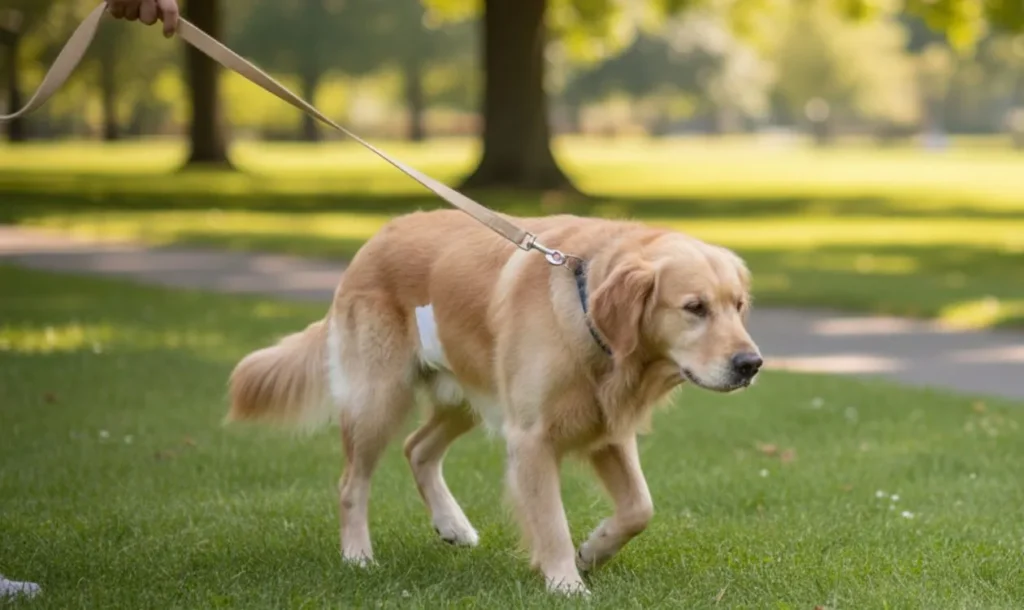
Wet or slippery floors should be avoided because they can lead to unintentional falls. Take short and slow walks until your dog is steady on its feet again. The right surface not only makes the experience more pleasant for your recovering pet but is also a safer option. Providing such optimal conditions supports quicker and safer healing.
Increased Walking Minutes in Gradual Increments
With time as you continue to heal up, you may increase the time you spend walking with your dog. Add some minutes per day, watching the reaction of your pet. Provided that they manage the additional time time without any indicators of fatigue or pain, proceed with the gradual improvement. Incremental changes aid in a safe method of restoration of muscle strength and stamina.
Do not jump right into long walks and vigorous exercise, despite the seeming activity of your dog. Their wound may not be fully healed. Such slow and controlled walks provide a moderate level of safety between rest and exercise. Week two: Numerous dogs will be able to walk normally in case their incision is fully healed.
Controlling Enthusiasm and Vigor
As dogs begin to recuperate, some become more energetic, making it difficult to keep them calm. Try walking them at times of the day when there are fewer stimuli to prevent overstimulation. The relaxed surroundings will ensure the dog does not make impulsive moves or pull on the leash. Keep walks brief and organized to stay in control, and consider simple calming tips to maintain a peaceful recovery routine.
To encourage your dog to calm down give it light compliments or snacks. Play High-energy play Enter the play only after the vet approves. Exercise control Excitement is not dangerous and it does not strain the healing tissues, as long as you control excitement when walking. The way to a successful recovery period consists of controlled activity.
The Purpose of a Leash on a Recovery
The most effective tool to control your dog after neutering is a leash. It is always advisable to use a short leash instead of an extendable one to restrict movement. This provides maximum control and prevents running, jumping, or distractions. Monitored walks support healthy movement and proper wound care, ensuring a more regulated recovery process.
Straining on the neck and the shoulders may be minimized by using a harness in place of a collar. This can be of particular use when your dog has the tendency of pulling during the walk. Handling of the leash in a proper manner will help to establish a stress free environment where your dog will be able to recover without being denied the required exercise.
Follow-up This is during walks on the healing process
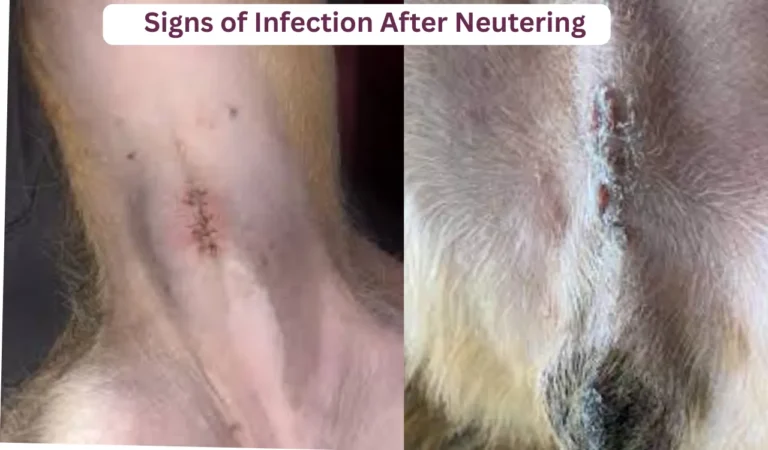
A walk is a chance to consider the progress of the healing of your dog. Check the incision during each of the outings, before and after, looking at any swelling, redness, or discharge. When the wound is clean and dry and it is foul-smelling, then it is not healing properly. In case of any suspicious things, make contact with your veterinarian.
Note the movement of your dog when you are walking. When they give favors to one or seem to be unsure about it, then it can be an indication that they are not comfortable. Recovery can be monitored by keeping good records of the changes. The constant check-ups make sure that your dog is not walking in any harmful or non-helpful environments during the healing process.
Changes in Walks depending on Breed and Age
The age and breeds take different rates to recuperate after neutering. Smaller dogs or pets that are of an older age might need more time time to rest and less time to walk. Active breeds may recover sooner, as well as overstrain. The needs of your dog are particular and knowing them would enable you to make a walking program that would help them heal.
Never follow a universal rule without consulting your vet on any rule that is applicable to your dog. Individualized walking programs are more effective in recovery and decrease the susceptibility of relapse. Also to bear in mind what suits one dog might not suit another. Individualized treatment means optimum recovery process.
FAQs: Dog Walk After Neutering
Final Thoughts
The exercise of walking your dog should be patient, cautious and gradual after the neutering. Do not overstress, check on the healing of incisions and take the advice of your vet with every step. Walking on loose surfaces is also done in gentle walks and makes one safe without complications. You will find soon with love and care that your dog will be as active and as ever–healthy, happy and brimming with energy.