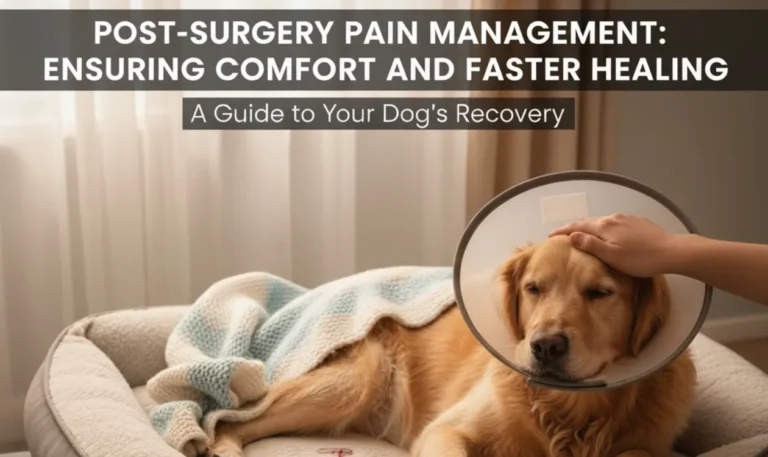
Playtime Limits Post-Surgery: Helping Your Dog Heal Safely
Discover safe Playtime Limits Post-Surgery for your dog . Learn when to resume activities and how to ensure a smooth, injury-free recovery.
Playtime is necessary after surgery on the dog to ensure that it heals well. Over exercising may put excessive tension on stitches or disrupt the operation point. This may cause slow healing or may reopen the wound and another visit by the vet is necessary. Spending a small amount of time on play does not mean eliminating stimuli, it is about providing safe and relaxing methods of ensuring that your dog is not over excited.
The recovery stage is a period of tender treatment, tolerance and restraint of movement. Dogs are also eager to play, and once they are feeling better, the owners just cannot give in as early as possible. Exceeding the boundaries suggested by the veterinarians will allow the body to recuperate completely and then resume normal functioning. The field will result in less complication and a quicker general healing.
Duration of Play limit after surgery
The length of time that most dogs need to limit play is usually 10 to 14 days after surgery, depending on the operation. High-energy exercises such as running, jumping, or rough play should be avoided during this period. The specific timeline may vary, as some dogs recover more quickly while others require additional time to get back on their feet. Taking proper precautions to heal safely is essential, and following your vet’s recommendations ensures a more gradual recovery process.
The returns of stitches should be done slowly even after removal. Begin with a few slow walks (in the beginning, short) and watch the reaction of your dog. In case they are exhibiting symptoms of pain, limping or tiredness, curtail activity. Keep in mind that recovery is not a race; the gradual and consistent progress will help your dog to be healthy and comfortable.
Making Safe Choices in Recovery
The mental and physical activity of your dog during the recovery process is still required but without extreme and high-impact exercise. Wandering about the yard or relaxing indoor games are the perfect solutions. Do not allow any kind of running, tug-of-war or jumping on furniture until the time of approval of your vet. Puzzle toys, balls which dispense treats or soft chew toys can be used to help redirect their playful energy.
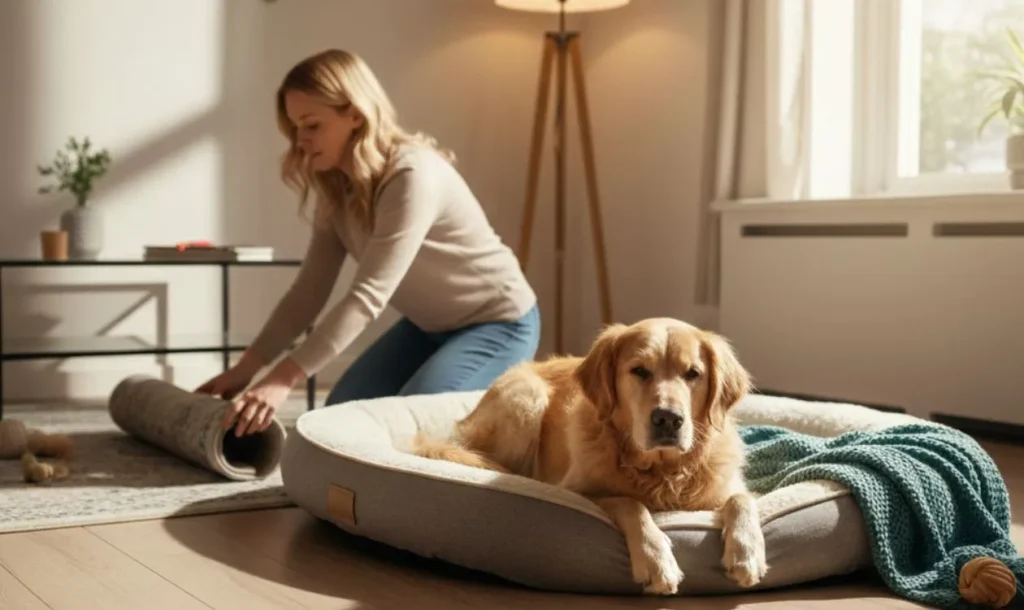
Mental exercise is another excellent concept, involving simple obedience commands such as sit or stay. This keeps their mind active while avoiding unnecessary strain on the body. The goal is to keep them happy without interrupting the healing process. With safe stimulation, recovery becomes smoother for both the pet and the owner, supporting a more cognitive form of engagement.
Eliminating Excitement and Accidents
Dogs tend to experience periods of energy when they begin to feel better, however, this may result to spontaneous movements that may reopen wounds. Provide a relaxing environment to your dog by reducing the exposure to loud music or noise, visitors and contact with other pets. Should your dog be too active, you can confine him/her to a smaller area or put him/her in a cage under supervision.
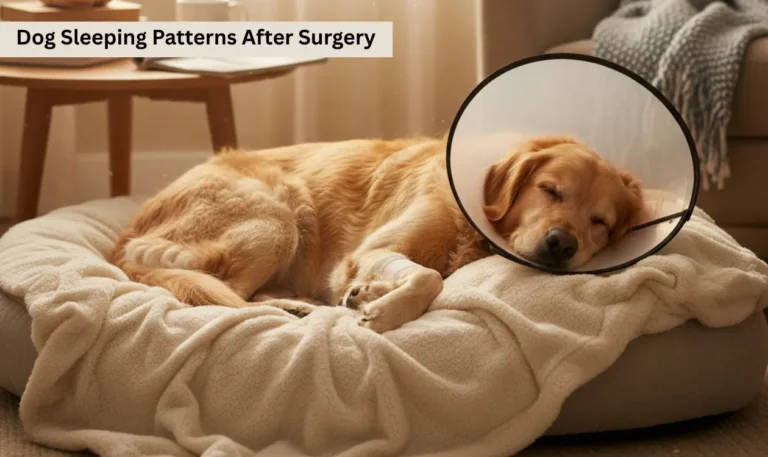
They may also be prevented by using a recovery cone as they may lick or bite the incision in case of excitement. Keep the energy of the child in check by having a regular schedule of feeding, potty training, and naps. It is better to prevent than cure the post-surgery complications brought about by overexcitement.
Puppies and Adult Dogs Playtime Management
Puppies have the ability to recover more easily but are often more hyperactive. They tend to be unaware of their physical limitations, so supervision is essential. Keep their play brief and limited, and provide plenty of soft toys and gentle affection. For adult dogs, moderate exercise and relaxed surroundings help prevent strain. Such careful vigilance supports safe recovery across all ages.
Aged dogs may require more time and attention, particularly when they already have joint problems, or heal slowly. Change their play schedule based on their comfort/ mobility. Every dog has a different process of recovery, therefore, the level of activity that a dog goes through should be adjusted to their age, health, and temper.
With Tools to regulate the Levels of Activities
A number of tools are capable of controlling the movements of your dog during recovery. Use of a harness offers a tight grip during short walks, whereas the baby gates ensure that there is no entrance to the stairs or even the playground. Recovery suits are also useful to cover stitches as well as keep them out of reach of licking in the rest time. These products ensure safety as well as help the owner and dog to become less stressed during the process of recovery.
An orthopedic bed is another useful device that provides proper support for healing muscles. This will promote sleep and reduce pain. The right tools ensure that your dog’s environment supports the healing process rather than making it more difficult, creating a more therapeutic recovery space.
Step by step Reinstating Playtime
After making sure that you are healed, gradually begin to play again. Start with games of low intensity such as the controlled walks or gentle fetch. Make every activity brief, between five and ten minutes at the beginning, and extend only in case your dog does not seem to be tired and uncomfortable.
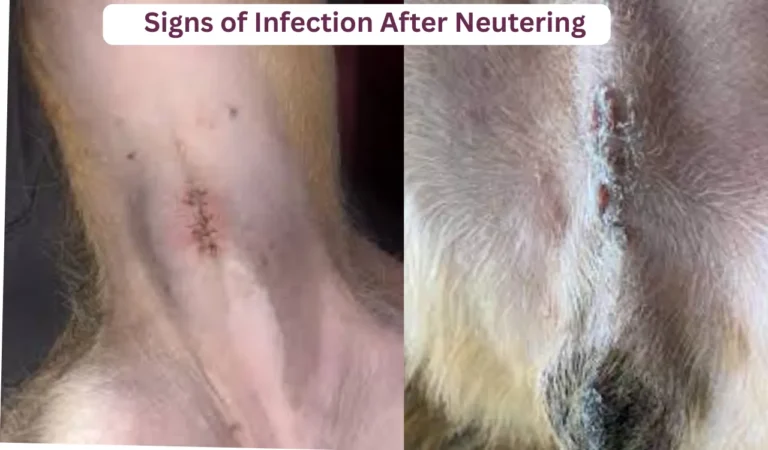
High jumping, long distances, and rough play should be avoided until your dog’s stamina is fully restored. After any light activity, check that there is no swelling or erythema around the incision. Watch for any abnormalities and take a break before consulting your vet. Reintroduction to activity should be gradual so you do not interfere with your dog’s strength, just as choosing the right dog food supports proper recovery and overall health.
Observing Indications of Overworking
Overexertion may take place even when it appears that recovery has taken place in case your dog starts playing fully too soon. The symptoms are limping, over-panting, or unexpected fatigue. Be very attentive to the behavior of them during play and after. In case they appear to be uncomfortable, terminate the activity and have additional rest.
It is also a matter of hydration, be sure that your dog has access to fresh water all the time during and after a play period. The close supervision of their recovery will avoid stress that is not always necessary and will provide long time health.
FAQs: Playtime Limits Post-Surgery
Final Thoughts
It might be difficult to place time restrictions on playtime after such surgery, particularly at a time when your dog is desiring to go back to the normal routine. Nevertheless, planned healing is the guarantee of a long-term well-being and avoidance of painful relapses. Give love, healthy mind stimulation and slow physical exercises (as the dog recovers).
You are not only assisting your dog to recover by observing recovery schedules and professional recommendations to protect the future wellbeing of your dog. It just takes some time, patience, love, and time, and you will soon have your furry friend back to happy play.